Introduction
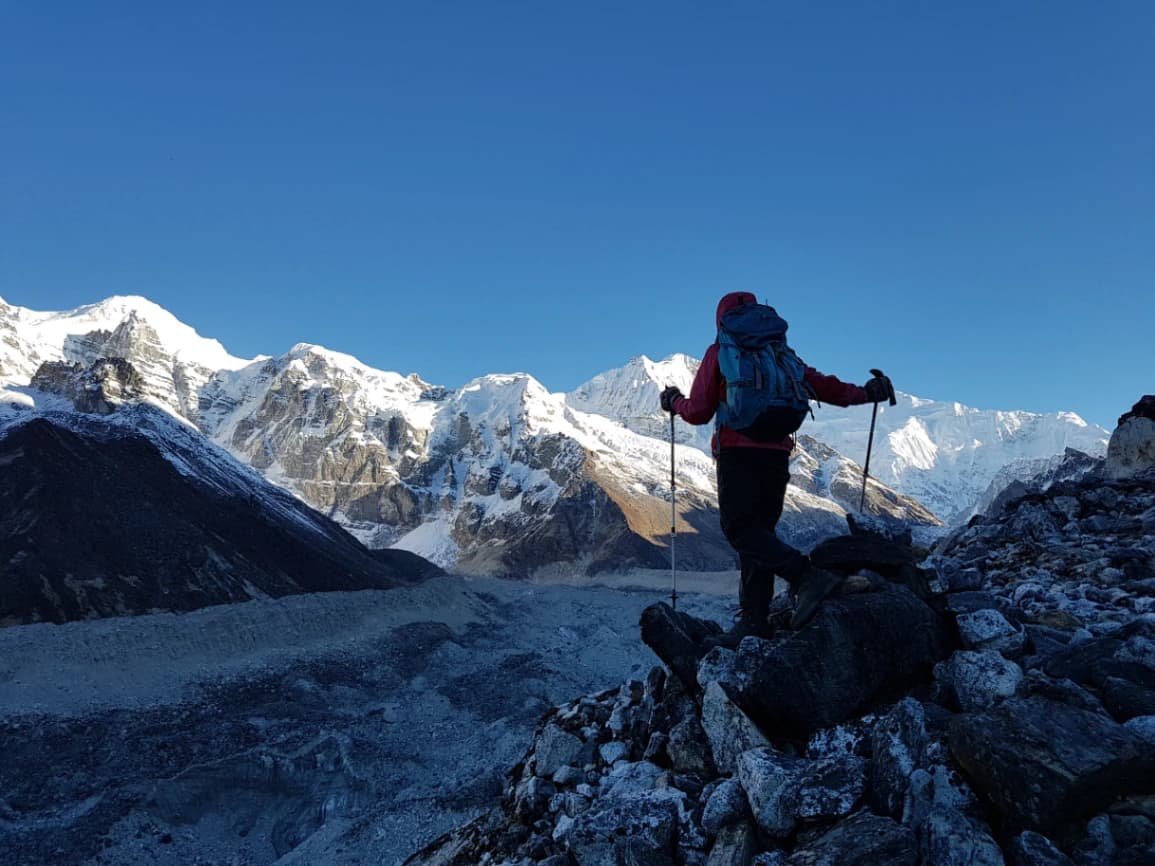
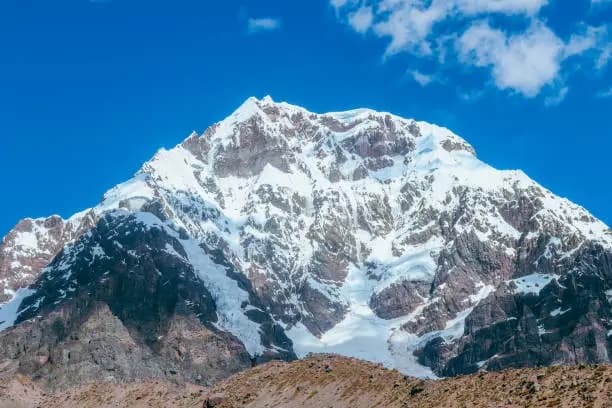
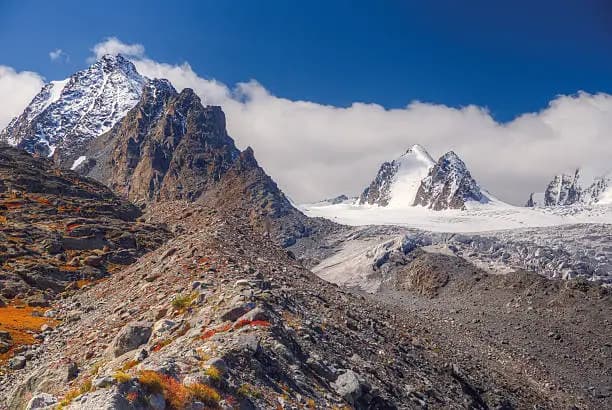
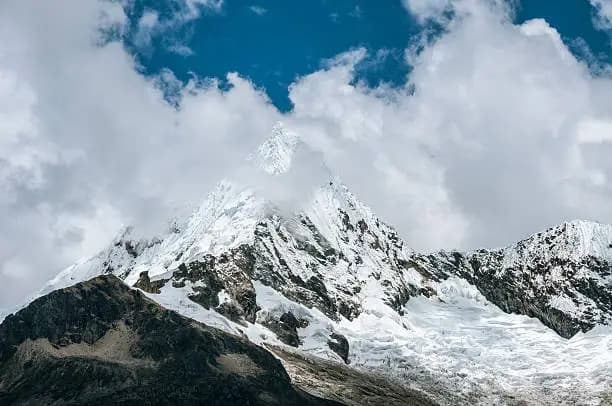
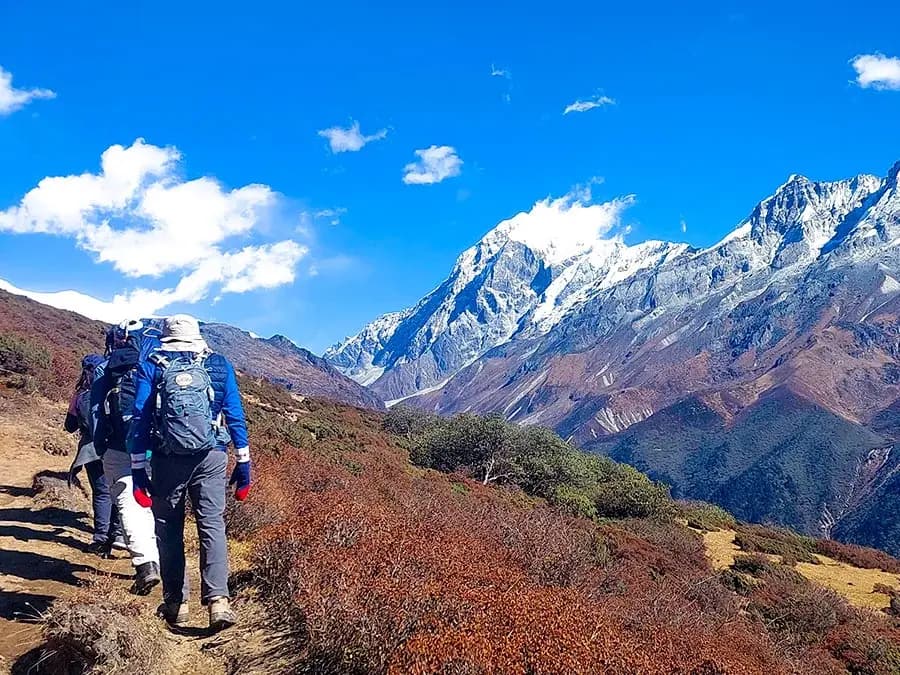
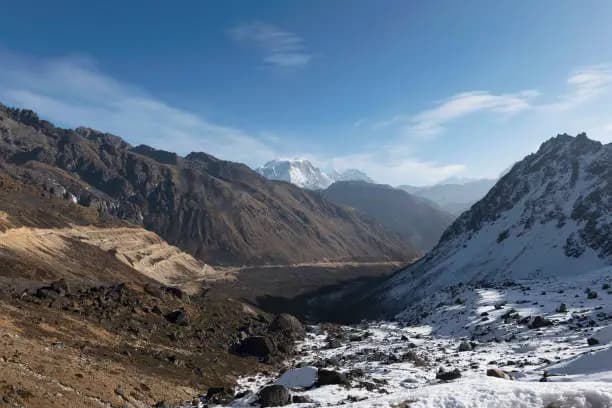
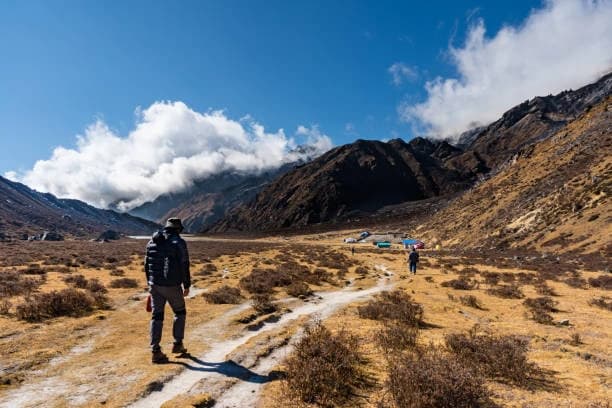
Goechala trek by Indiahikes is one of the most breathtaking experiences that the Indian Himalayas offer. This trek, which is quite challenging, gets a trekker through rhododendron forests, alongside an alpine lake, and finally to the sight of Kanchenjunga, the third-highest peak in the world, nestled in the state of Sikkim. Goechala trek reaches an altitude of 15,100 feet at its highest point, and proper planning is a must for a safe trek.
Whether it is your first high-altitude adventure or your umpteenth trek, knowing what needs to be done in terms of equipment and preparation will make all the difference. One of the best organizations in India for trekkers like us is Indiahikes, but it would be very helpful to know what needs to be done.
Bargarh and Gadjin Zampa: Local Perspectives
The right equipment can either make or break a trekking experience in the Himalayas. The trek route of Goechala trek Indiahikes faces unpredictable weather, from sun to snow, so it is quite important to be prepared for everything.
Next, physical fitness is another factor that affects trekking as a person with more fitness will
Clothing Essentials
Clothing Essentials Table
| Item | Purpose | Quantity |
| Base layers (Thermal) | Insulation, Warmth, and Moist | 2-3 |
| Fleece Jackets | Insulation Layer | 2 |
| Waterproof jacket | Rain/Snow Protection | 1 |
| Trekking pants | Comfortable movement | 2 |
| Down jacket | Protection from extreme cold | 1 |
| Woolen socks | Foot warmth | 4-5 |
Layering is the technique to adopt to maintain comfort while experiencing altitude and weather transition. It is essential to have your “base layers” pull moisture from your skin and for your outer layers to shield you from weather and wind.
Footwear and Accessories
Footwear Requirements
Trekking boots may be considered the most crucial hiking gear. The following conditions must be met by trekking boots:
- Waterproof
- Broken in
- High ankle boots that provide added support on rocky ground.
- Supportive for 6 to 8 hours of walking in a day
Accessories
Further Accessories include:
- Trekking poles for support on uphill sections
- Sunglasses with UV protection
- Sunscreen (SPF 50+) and lip balm
- Headlamp with additional batteries
- Water bottles (2 L capacity)
- Personal first-aid kits
Technical Gear and Equipment
Technical Gear Table
| Equipment | Description | Rental Available? |
| Backpack (50– | For personal belongings | Yes |
| Sleeping bag (-10°) | Cold-weather rated | Absolutely! |
| Poncho/Rain | Backpack protectioN | Yes |
| Galet | Snow/mud protection | Yes |
| Microsp | * On Ice: | Yes |
As trek guide Rajesh Kumar puts it,
“A Goechala trek requires a certain level of respect for the mountains. Trekking gear not only ensures one’s comfort but also one’s safety in high-altitude regions where the climate keeps shifting.”
Available: Rent and Buy Options
One of the major pluses while booking Goechala trek with IndiaHikes is that they provide you with an excellent equipment rental facility. This saves you money and prevents you from buying equipment that you may use once.
What You Can Rent
Indiahikes provides rental facilities for:
- Good sleeping bags for extreme cold conditions
- Larger trekking backpacks with a capacity of
- Waterproof Suits and Trousers
- Trekking poles
- Microspikes for icy surfaces
The equipment rented out is clean and maintained properly after each use. You can get these while registering for the trek. It is always recommended to book your equipment ahead of time, especially when the season is on (March to May or September to November).
Cost Considerations
The rental cost for the equipment will be $30 to $80 for the entire duration of the trek depending on the gear you require. Compared to the cost for acquiring the gear which is $300 to $500. However, it is advisable to buy your boots as a proper fit is essential.
Body Preparation & Fitness Requirements
The Goechala trek organized by Indiahikes falls in the moderate to difficult trekking categories, requiring strong cardiac health and mental toughness. The trek lasts for 8 to 9 days, with a total trekking distance of around 53 miles.
Recommended Training Time
Start preparation for the trek at least 2-3 months ahead of time:
- Cardiovascular Training:
Run, cycle, or swim 4-5 times a week for 30 to 45 minutes - Strength Training:
Emphasize Leg MuscleGroups, Core, Upper Body 3 Days a Week - Hiking Practice:
Weekend hikes with a heavy pack (10-15 lbs) - Stair Climbing:
Increase endurance by stair climbing while carrying weights
Height Acclimat
Trekking at a higher altitude demands that your body gets accustomed to the reduced oxygen. The Indiahikes trekking program has acclimatization days already incorporated into the itinerary. However, you need to:
- Stay Hydrated (drink 3-4 liters of water a day)
- Gradual Ascent
- Avoid drinking alcohol.
- Do not take sleeping pills
- Recognize symptoms of altitude sickness (headache, vomiting, dizziness)
Preparing Mentally and What You Can Expect
However, there is more to being physically fit than just that. Mental training is as important. The Goechala trek can thoroughly test your ability because it includes long overnight journeys on foot, low temperatures, and rudimentary camping facilities.
“It’s 50:50 work and mental for a Goechala trek,” says trekker Priya Sharma. There would be points where you would be ready to give up, but the sights and satisfaction that come afterward make all of that hard work worth it.”
Prepare yourself for:
- Early morning starts (often pre-dawn)
- Basic toilet facilities at campsites
- Few or no connections to the power mains
- Sleeping in tents exposed to freezing temperatures.
- Occasional trail congestion during peak season
Check-in: Booking and Logistics with IndiaHikes
IndiaHikes takes care of all the logistical arrangements, so the Goechala trek becomes more manageable for trekkers. The package would normally include:
- Experienced trek leaders and guides
- Camping gear (tent, sleeping mats)
- All meals while on trek
- Forest Permits and Fees
- Transportation from base camp
Best Time to Trek
Best Season Table
| Season | Months | Conditions |
| Spring | March to | Easy to understand, rhododendrons in flower, |
| Autumn | September-Nov | The stable and consistent winter weather patterns provide perfect visibility |
| Winter | December, | Heavy snow, Extremely cold, Experienced trekkers only |
The trek is normally closed during the monsoons, which are from June to August.
Conclusion
The Goechhala Trek by Indiahikes is a dream come true for a Himalayan experience with adequate preparation and planning. With a clear understanding of what has to be done, and with the help of renting necessary requirements, you would be well-prepared for this adventure.
No matter if one hires equipment or decides to carry one’s own equipment, preparation and awareness of the mountain environment are of utmost importance here. Indiahikes offers a very good infrastructure, and personal preparedness will play a major role in determining one’s success and enjoyment of this trek, which can really be a challenging one.
Early start to training, proper footwear, and a combination of eagerness and care when undertaking the Goechala Trek will make the experience of watching the majesty of Kanchenjunga and the triumph of reaching Goechala Pass one to remember for life.
Frequently Asked Questions
R: How challenging is the Goechala trek in comparison to other treks in the Himalayas in Indiahikes?
A: Goechala trekking is moderate to difficult. It is tougher than Kedarkantha and Valley of Flowers treks but not as tricky as an expedition trek that needs mountaineering skills. It becomes difficult due to altitude (15,100 ft) and weather conditions. If one is healthy and acclimatized to fitness training, then it is doable.
Q: Can I hire Indiahikes to supply all equipment for the Goechala trek?
A: Indiahikes provides rentals for the heavier gear such as trekking bags, trekking jackets, and trekking poles. However, it is mandatory that you have your own trekking boots and clothes. This is because trekking boots should fit quite comfortably to avoid blisters. Their rental rates are quite affordable. However, the gear that they use is of very good quality.
Q: What is the best time for Goechala Trekking in Indiahikes?
A: The best time to visit this trek is in spring (March to May) and autumn (September to November). Spring has blooming rhododendrons, which add to its beauty with their colors. Autumn provides the most clear scenic beauty with less chances of landslides. The winter trekking in December to February can be carried out by experienced ones only. The trek remains closed during the monsoon period, which is from June to August.
Q: Is previous experience required to do the Goechala trek?
A: While prior experience in trekking in the high altitude is always an added advantage, it is not an essential requirement. In fact, what is required is a sound cardiovascular level, as well as prior trekking experience. India Hikes recommends having at least one moderate trek prior to attempting Goechala.
Q: What are the dangers of altitude sickness while trekking in Goechala?
A: Acclimatization is a big issue above 10,000 feet. The plan by India Hikes encompasses acclimatization days. The symptoms of it include a headache, nausea, and dizziness. Prevention entails staying hydrated, climbing slowly, avoiding alcohol, and paying heed to one’s body. The trip leader knows how to spot these and will descend, if need be. Acclimatization and spotting precursor signs of an issue can ensure a safe trek.