
Introduction
Trekking in Ladakh is considered one of the most amazing adventurous experiences in India. Heralded as the Land of High Passes, Ladakh is a unique mix of rugged terrain, ancient Buddhist communities, remote mountain settlements, and some of the highest trekking trails in the Himalayas. From wide cold deserts and ice-clad snow peaks to turquoise rivers and thousand-year-old monasteries, trekking in Ladakh isn’t just about walking trails—it’s an opportunity to be surrounded by a truly different world.
The unique Ladakh trekking is endowed with high-altitude terrain. Most treks here begin at over 3,000 meters above sea level, so acclimatization is a key part of the experience. Despite this, with a little bit of preparation and some planning, even novices can enjoy a handful of great treks in Ladakh. Ladakh has become more and more a world trekking spot over the years, where adventurous people, photographers, solo travelers, and lovers of nature worldwide are drawn.
This ultimate Guide on trekking in Ladakh will explain to you the best treks, when to visit, how difficult it is, costs, permits, and travel tips. Whether you’re considering a first-time trip to the Himalayas or hoping for another high-altitude adventure, read on and connect with anything we can do to help make trekking in Ladakh an enjoyable experience.
What Makes Ladakh Trekking Different from Other Treks
Ladakh is a unique trekking destination in India due to its geography and because of the way people, both past and present, have adapted to it. Unlike green and lush Himalayan places, Ladakh is a cold desert in the sky with bare mountains, vast valleys, and awe-inspiring massive rock structures. That stark kind of beauty is what makes trekkers feel so isolated and at peace in this part of the world.
Another reason why trekking in Ladakh is unique is the cultural factor. All trekking trails go through ancient traditional Ladakhi villages, which have been practically uninfluenced by the evolution of society for hundreds of years. You will encounter prayer flags waving in the wind, some of the oldest monasteries perched on cliffs, and locals practicing Tibetan Buddhist traditions. Since the inclusion of homestays in treks, trekkers have had the opportunity to experience true Ladakhi hospitality.
Wildlife is another attraction of the Ladakh trek. Rare species that inhabit the region include the snow leopard, the blue sheep, the Himalayan marmot, andthe golden eagle. They're rarely seen, but the thrill of the chase is part of what makes the trip. And with a backdrop of sparkling night skies and stunning mountainous panoramas, trekking through Ladakh is an experience of a lifetime.
Best Treks in Ladakh
Noticeboard Mountain biking in Ladakh has different grades of signposted mountain bike routes, varying from easy village walks to high-altitude treks for the experienced bicyclist. Here are the most famous treks in Ladakh: 1.
Markha Valley Trek
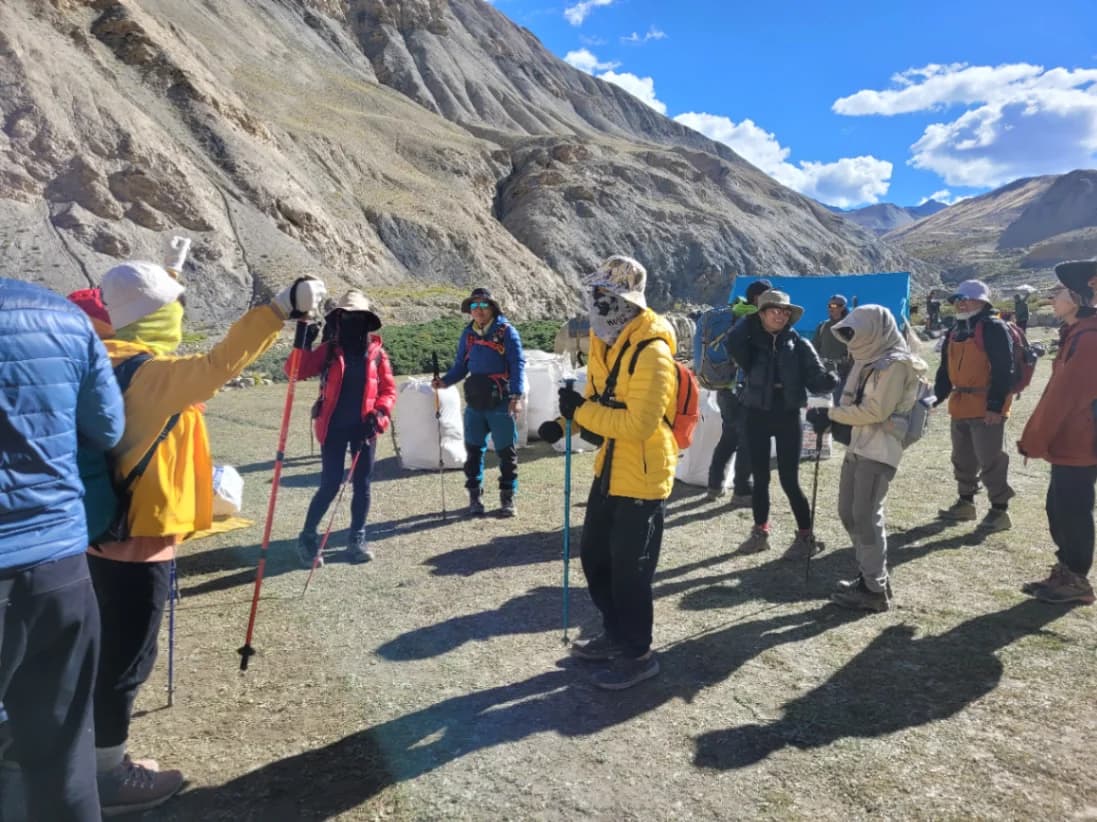
This is the Classic popular trek of Ladakh. It includes fascinating valleys, river crossings, high passes, and secluded villages. The journey gives beautiful views of Kang Yatse Peak and an amazing balance between nature and culture. A comfortable trek for fit beginners who have been properly acclimatized, it normally takes 7–8 days.
Chadar Trek
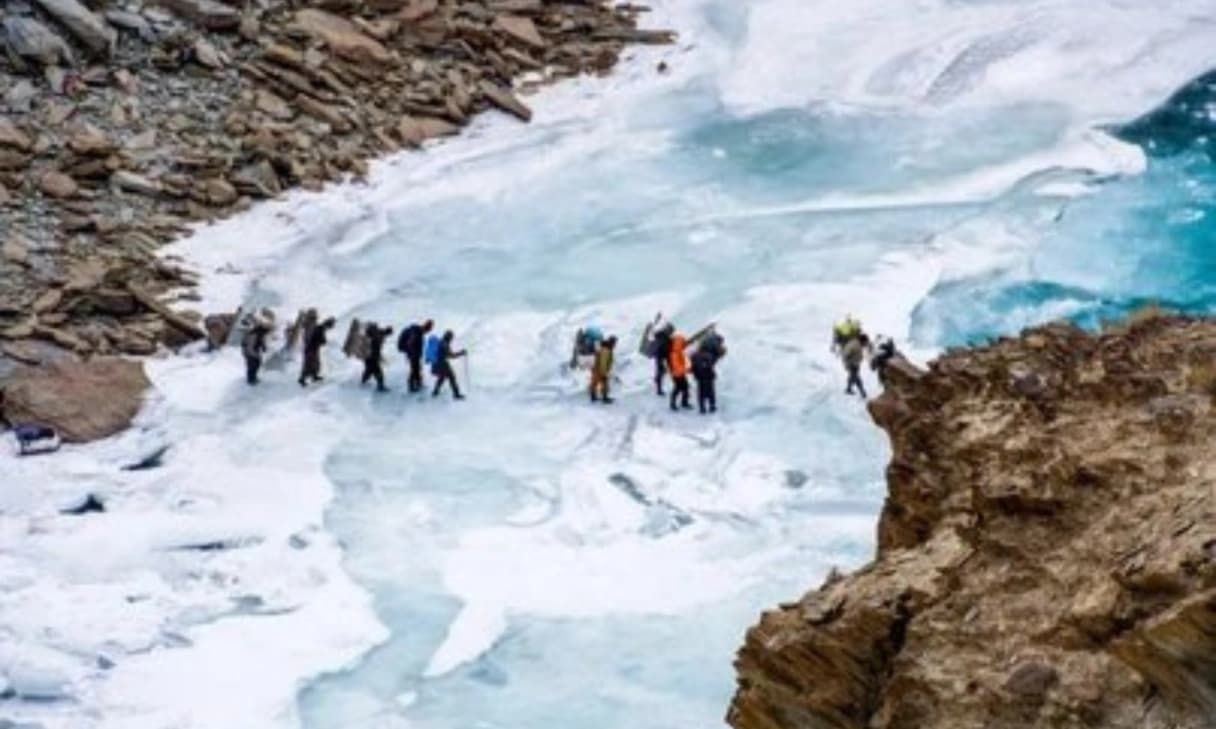
The Chadar Trek is an internationally renowned winter trek, in which trekkers trek on the frozen waters of the Zanskar River. This trail is tough and requires a high level of fitness and mental strength because of the low temperatures. It is for experienced trekkers only, taking place between January and February.
Sham Valley Trek
Popularly known as the “Baby Trek of Ladakh,” Sham Valley Trek is one aofthe easy treks. It goes through picturesque villages, apricot orchards , and monasteries at lower elevations. This is an ideal trek for those who like to experience Ladakh trekking without much challenge.
Stok Kangri Trek (Currently Restricted)
Stok Kangri used to be, until recently, a walk-up or trekking peak for experienced trekkers. Thanks to the environment, access is currently limited. Nevertheless, the area around Stok still provides wonderful trekking and stunning mountains.
Nubra Valley Trek
Nubra Valley Trek leads the trekkers to remote lands, dunes, and high mountain passes. It’s way less crowded and is for people who want solitude and untouched nature.
Ideal Time for Trekking in Ladakh
The best time to trek in Ladakh is from June to September. At this time, the snow starts to thaw, trekking paths clear u,p and yogetts fairly stable weather.
- June: A good time for early-season treks, although some high passes might still be snowy.
- July-August: Best weather for most treks; valleys are open, and days are comfortable.
- September: The weather is nice with no crowd,s and the mountains are looking great, so much loved by photographers.
Winter trekking in Ladakh is limited to the snowChadar Trek due to ferocious cold and snowing.
Challenging in Trekking in Ladakh
The difficulty of a trek in Ladakh could be divided into three levels, as follows:
Easy Treks
The treks on these itineraries have short daily time for walking, less height gain, and are easy to stay inthe instance village. Sham Valley Trek: Take, for instanc,e Sham Valley Trek.
Moderate Treks
Moderate trekking includes an element of more challenging walking, either among the passes in the mountain region, with longer days, and camping is basic. Markha Valley Trek is one of them.
Difficult Treks
Challenging treks - Difficult Trekkies The challenging treks are for the experienced trekker, feeling fit and fineyear and able to take some punishment! Chadar Trek is the perfect example.
Cost of Trekking in Ladakh
The cost of trekking in Ladakh may vary according to the duration of the trip, its category, and what type of services are covered. On average:
- Easy treks: $400-$600
- Moderate treks: $700-$1000
- Difficult treks: $1500
Cost always matter on service and group size.
Trekking Permits in Ladakh Needed
Inner Line Permits are needed on most trekking routes in Ladakh, particularly those close to the border. The licences are available both online and from authorized trekking agencies. It’s better to organize the permits in advance, or you will have problems a few days before.
Safety and Acclimatization Tips
- Acclimatize in Leh for a minimum of 2 days before you embark on any treks.
- Keep hydrated and away from alcohol for the first few days.
- Walk at a consistent pace and pay attention to your body.
- Always hike with a licensed guide or reputable hiking company.
final though: Ladakh trekking involves walking through some of the most amazing terrain in the Himalayas. With good research, the right time of yyearrewardingand a reliable trekking company, trekking in Ladakh can be a safe, rerewardinglife-altering adventure. Ladakh has something special to offer everyone, whether you are a novice or an expert trekker.