
Introduction
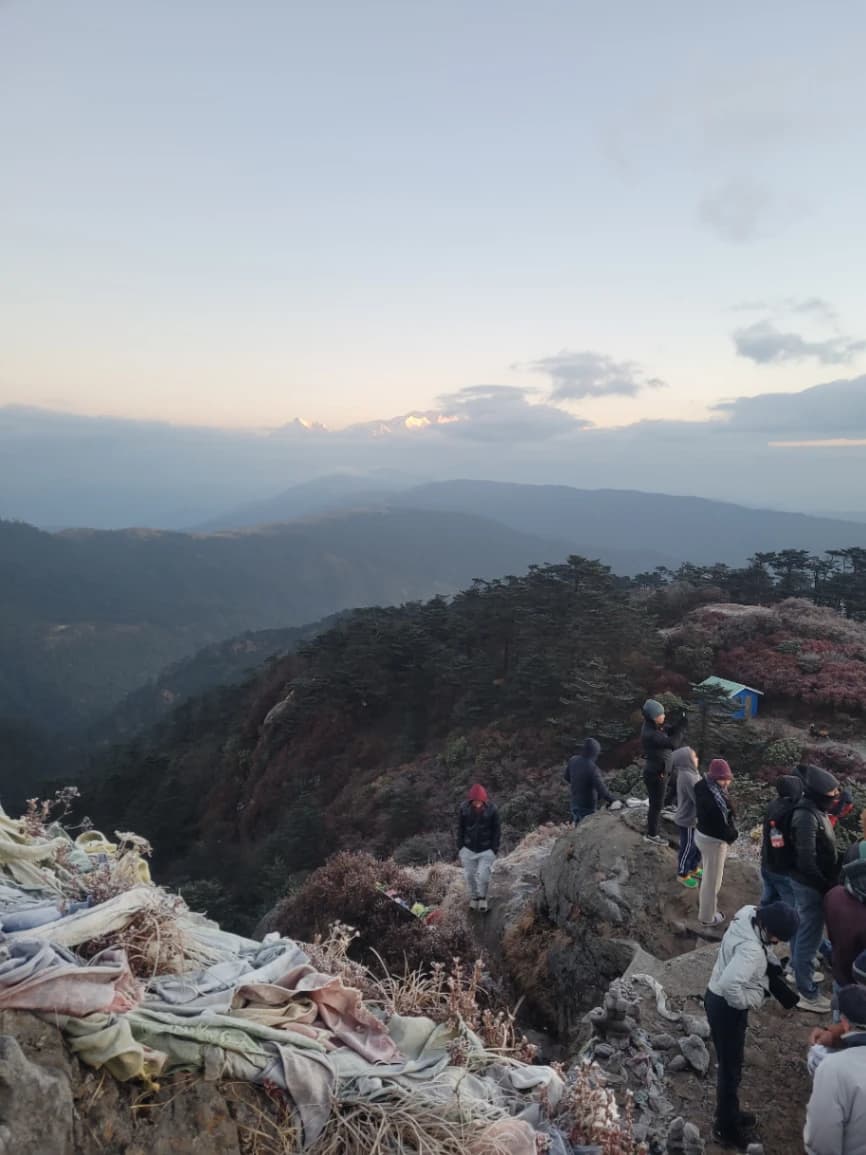
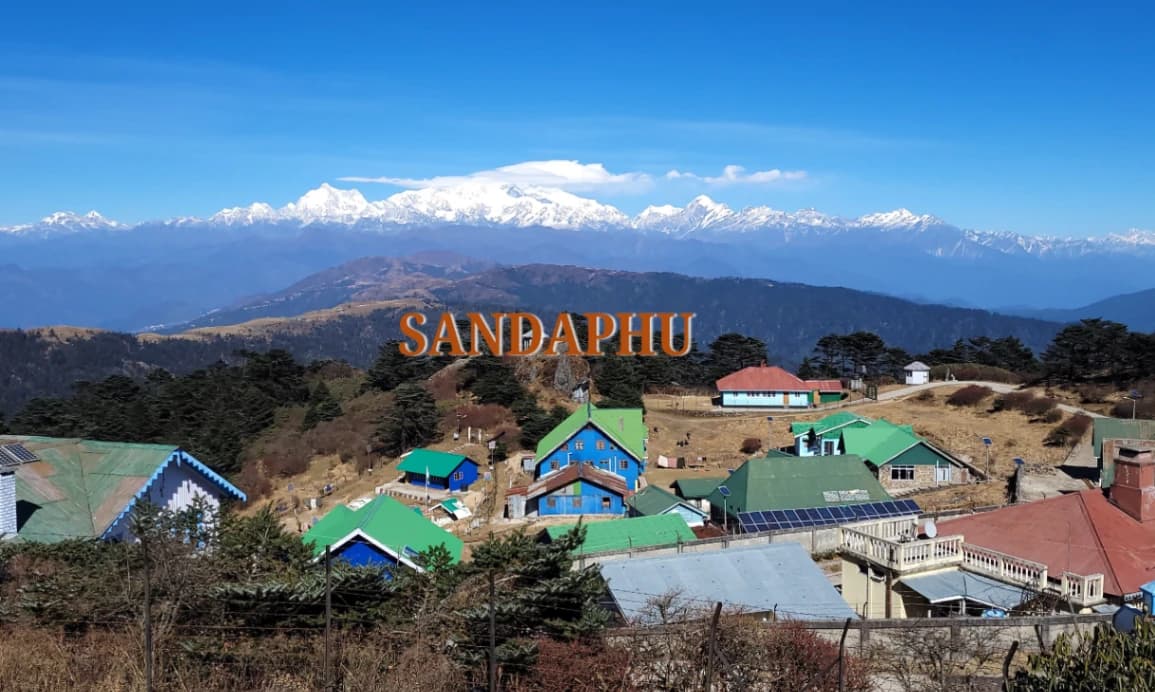
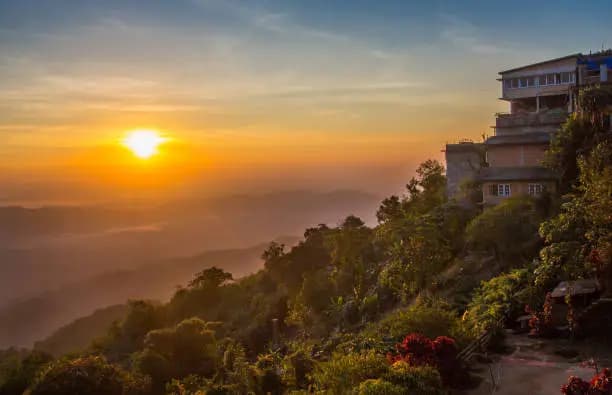
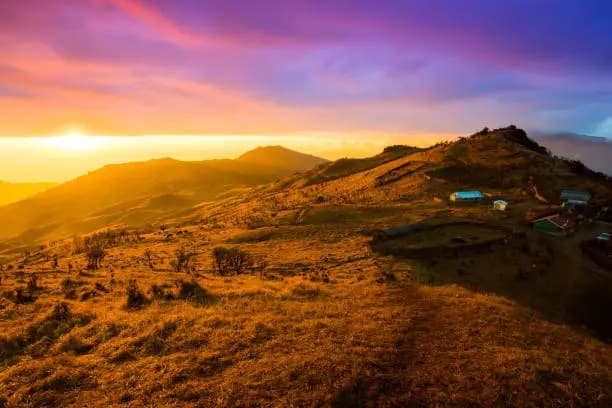
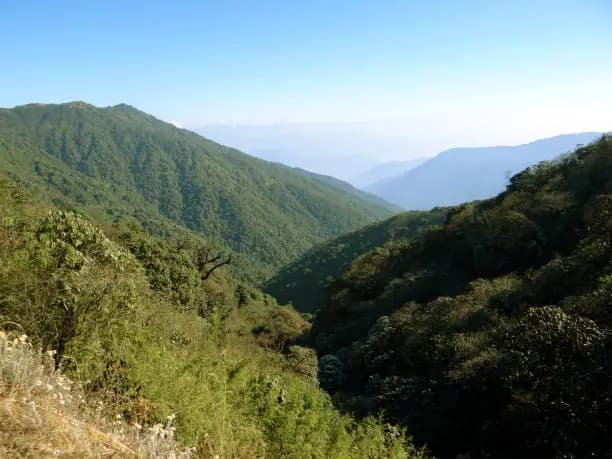
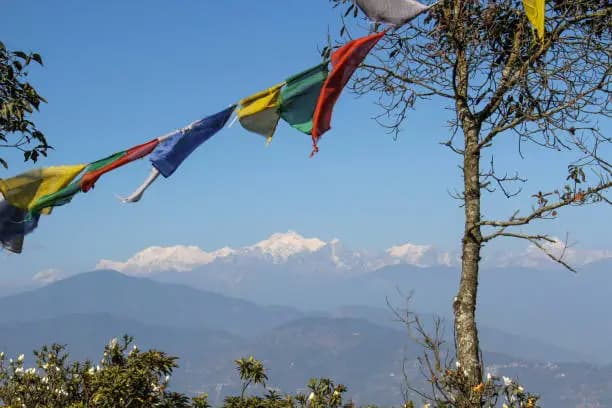
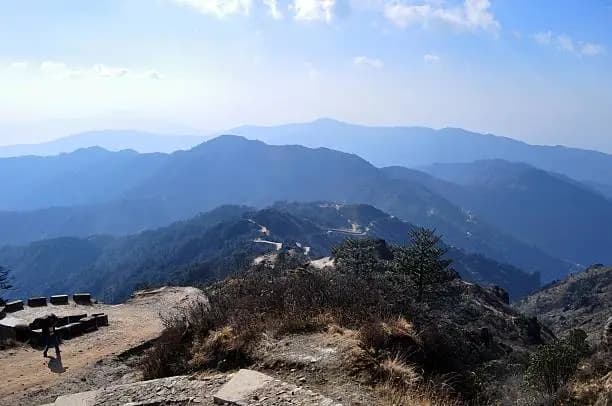
In February, Sandakphu is the place that provides one of the most beautiful winter treks in the Himalayas. This expedition is a place in West Bengal, India, 11,930 feet above sea level, where one can see four of five high peaks in the world, including Mount Everest, Kanchenjunga, Lhotse, and Makalu. This expedition is an adventure of a lifetime due to the challenges and rewards that come with February.
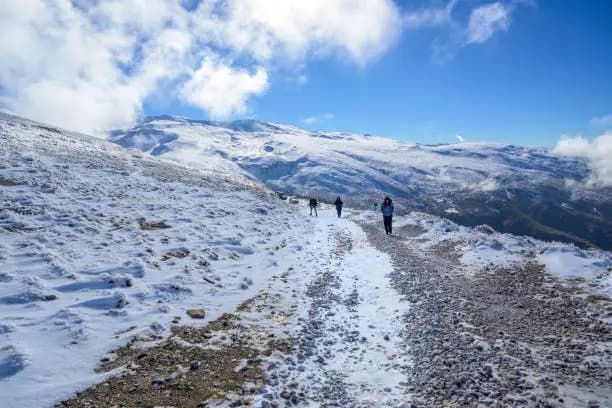
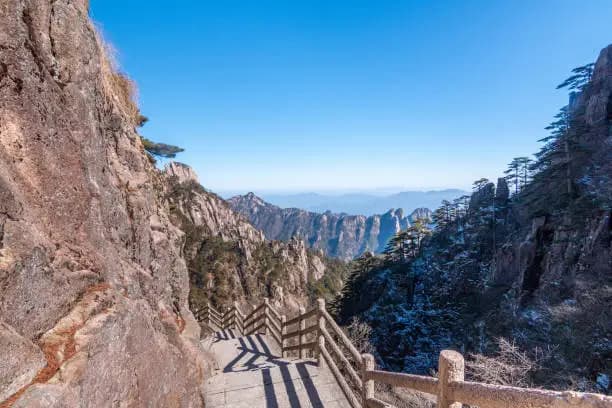
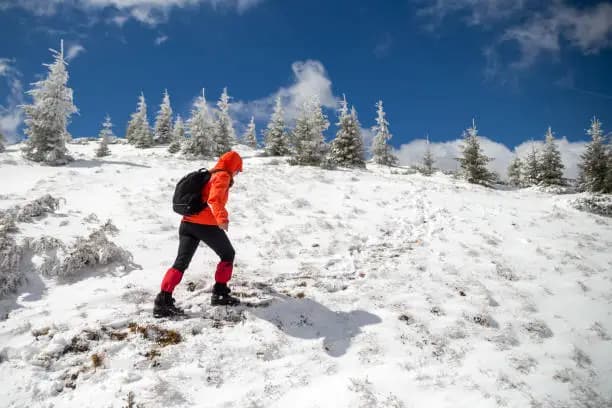
In February, the Sandakphu trek gives the area a winter wonderland. Trails of snow, forests of rhododendron which are frozen and crystal-clear mountain range give an alien experience. Nevertheless, the harsh weather and difficult landscapes are something that trekkers have to be ready to face.
This all-inclusive guide has all the information you require about trekking sandakphu in february, including weather forecasts as well as the trail conditions and other important preparation tips.

February weather conditions.
The temperature in Sandakphu in February is one of the coldest months of the year. Knowledge of such conditions will assist trekkers to equip themselves properly with the journey.
Weather Overview Table
| Weather Parameter | Condition | Details |
| Temperature (Day) | -5°C to 5°C | It is fairly cool in the sunny afternoons. |
| Temperature (Night) | -15°C to -20°C | Very cold, and particularly at higher camps. |
| Snowfall | Heavy to Moderate | Newly-made snow probably during the month. |
| Visibility | Excellent | Blue skies are the most ideal mountain views. |
The cold weather at night is very extreme and needs the right sleeping bags that can endure the sub-zero weather. As one long time trekker by the name Rajesh Kumar explains, February at Sandakphu is a challenge to the body, but the challenge is well rewarded with a view of the Sleeping Buddha formation amidst the crystal blue skies.
The most important Weather Characteristics.
Key Weather Features
Cleary mornings: February is normally a very clear period in mountain photography.
Strong winds: winds are also strong and may reduce the temperature very much.
Dry seasons: When there are dry seasons, the cold becomes more tolerable than during monsoon seasons.
Consistent weather: Reduced rainfall would lead to reduced weather cancellations.
Trail Conditions Snow coverage.
February weather conditions are also quite variable, with regard to recent snowfall, and altitude. The trekkers ought to anticipate difficult topography on the trip.
Trail Snow Condition Table
| Trail Section | Snow Depth | Difficulty Level |
| Manebhanjan to Tonglu | Light (2-4 inches) | Moderate |
| Tonglu to Kalipokhri | Moderate (6-10 inches) | Moderate to Difficult |
| Kalipokhri to Sandakphu | Heavy (12-18 inches) | Difficult |
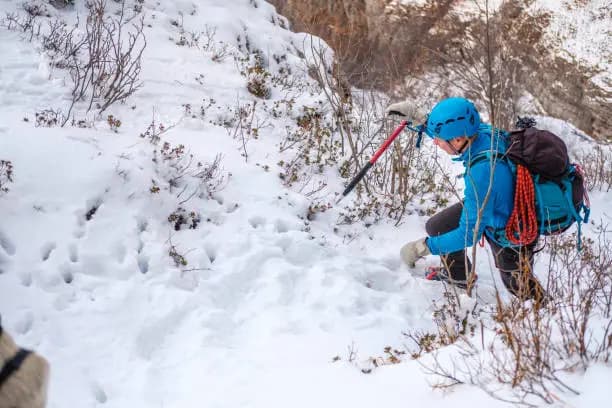
The snowy roads need good quality ankle-supporting and ankle-traction trekking boots. It is necessary to include microspikes or crampons in the steeper parts between the summits of Kalipokhri and Sandakphu.
Trail Features in February
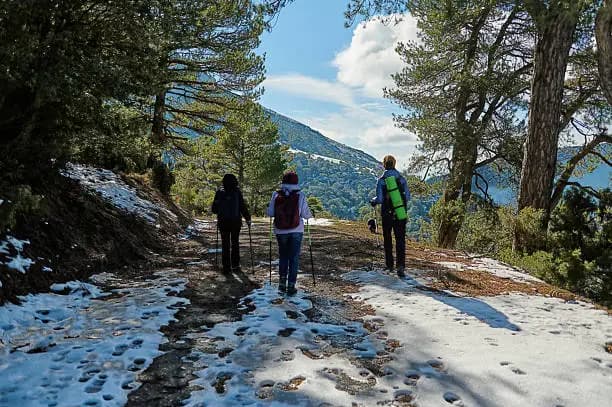
Small snow tracks: Walked-out tracks are not covered with snow.
Ice patches: There is a surface produced in the morning because of frost.
Unseen challenges: Fresh snow can cover rocks and roots.
Narrow ridges: There are parts that should be well-footed.
What Makes February Special
Venturing out in the Sandakphu trek in the month of February is a special privilege in spite of the adverse conditions:
Clear trails: The fewer the trekkers, the less noise on the trail and camping is better.
Snow-white sceneries: Snow-white snow forms the perfect scene.
Excellent visibility: It is the clearest winter air and it has the best views in the Himalayas.
Wildlife in winter: Red panda and other mountain wildlife.
According to Mountain guide Sonam Sherpa, the time of the year may be harsh, but seasoned trekkers love Sandakphu during the month of February because of its unrefined and untamed beauty and the fact that it is a sense of real adventure.
Essential Preparation Tips
Planning well to go to sandakphu in february is a great influence to the trekking experience and safety.
Gear Requirements
Four season tent or confirmed lodge reservations.
Sleeping bag with -20 o C rating.
Trekking boots that are insulated and have waterproof membranes.
Outfits consisting of thermal base layers.
Extreme cold protection jacket.
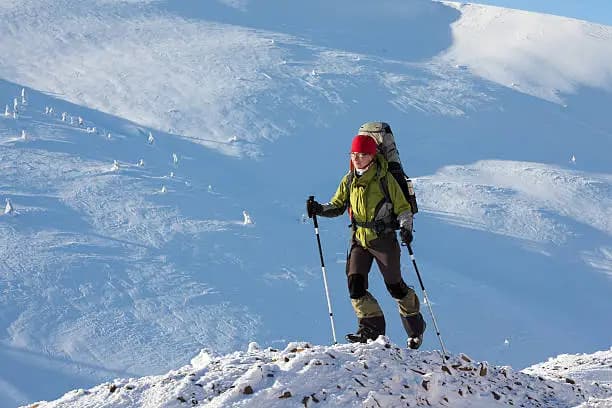
Snow poles To support stability.
Physical Preparation
Fear of missing the right shape is required in the February trek. Begin training no less than 6-8 weeks before:
Exercising heart endurance using running or bicycling.
Train hiking using a loaded pack.
Make the leg muscles strong using squats and lunges.
Make adjustments to unstable terrain.
Permits and Logistics
Permit and Cost Table
| Requirement | Details | Cost (Approximate) |
| Forest Permit | Mandatory for all trekkers | ₹200-300 per person |
| Guide Requirement | Dress suggested, particularly in winter. | ₹1,500-2,000 per day |
| Accommodation | Lodges are not available all the year round. | ₹500-800 per night |
Conclusion
February at Sandakphu is a great time of winter trekking to be experienced by those who are well prepared to take it. Extreme weather conditions, deep snow coverage, and breathtaking mountain views make the experience in this case both difficult and rewarding. The appropriate equipment, physical conditioning, and realistic attitude toward the challenges are the keys to achieving success.
The trek in February is not the one to take a beginner on, however, the seasoned hikers will find that it will provide them with the most authentic Himalayan winter. The skies are clear, the snow is pure, and the trails are not overcrowded, so this month is a perfect holiday that will allow one to enjoy nature, solitude, and breathtaking landscapes.
And when you are willing to take the plunge and take the risk, sandakphu in february will be worth the experience in memories and photos that will stay with you forever.
Frequently Asked Questions
Sandakphu trek in February- safe or not?
Sandakphu during the month of February is free to experience trekkers who were well prepared. The most common dangers are cold, altitude problems and snow dangers. The safety is greatly enhanced once a skilled guide to whom winter conditions are not new is hired. The check weather is daily and should be ready to make necessary amendments in the event of bad weather.
When is the most advisable period to begin the Sandakphu trek during the month of February?
To begin your Sandakphu trek, you should go in February in the early mornings in order to have more time in the day. The majority of the trekkers start at Manebhanjan by 7-8 AM. This is because during this time you are able to get to every camp before the temperatures go down drastically once the sun goes down. The winter days are not many enough and therefore early mornings are a prerequisite to safe traveling.
What is the price of the Sandakphu trek in February?
Sandakphu trek in February is generally 200-400 per person in a six day trek that includes the permits, guide fees, accommodation and meals. Prices will differ according to the number of group and the level of services. Winter trekking can be a little higher, as there is not much lodge available and special equipment is required.
Is Sandakphu possible in February?
Sandakphu in the month of February is not advisable to one who is a total beginner. The extreme cold, alongside a high altitude and snowy paths, will mean that one needs previous experience in trekking. You should also visit in the spring (April-May) when the conditions are mild, in case this is the first time you have been trekking. First gain some experience on easier treks to the Himalayas before attempting Sandak phu in winter.
Are there any accommodation facilities on Sandakphu in February?
Sandakphu has very few accommodation options in the month of February since most lodges are closed down in winter. At Tonglu, Kalipokhri, and Sandakphu, trekkers huts and lodges are available with basic facilities, which share rooms and other common facilities. Internet reservation is obligatory. Other trekking parties opt to camp and in this case, they have to carry winter camping equipment that would support them during sub-zero conditions.