
Introduction
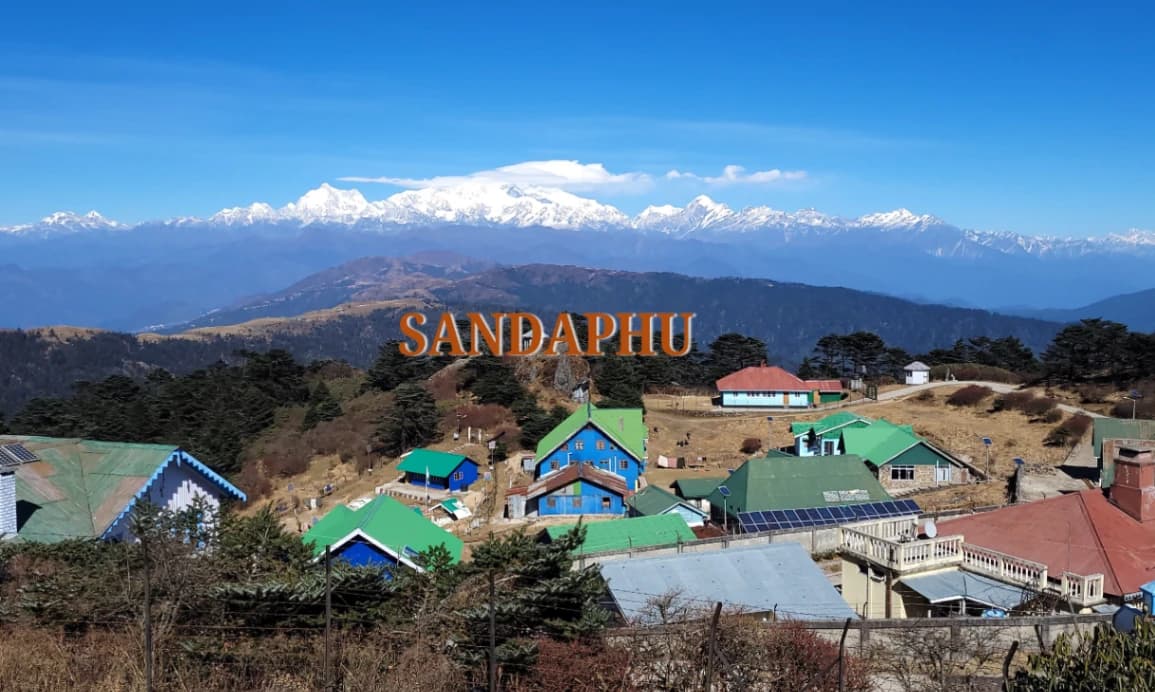
January in Sandakphu is considered to be one of the most stunning winter treks in Himalaya. Sandakphu, which is found in the India-Nepal border at 11,930 feet is a winter magic town this month. The Sandakphu trek in January is an adventure trek, which attracts people seeking snow trails and crystal-clear visions of the highest mountain in the world.
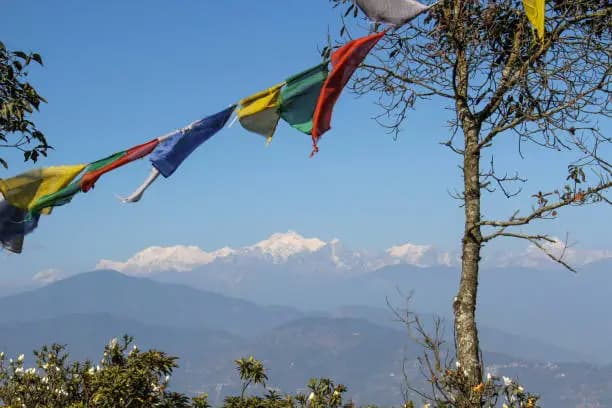
January is a magical place where Sandakphu creates a wonderful picture of Mount Everest, Kanchenjunga, Lhotse and Makalu standing high against clear blue skies. The very low temperature and heavy snowing form incredible beauty and serious difficulties. Knowing what to expect will assist you to prepare well for this incredible high altitude winter expedition.
This guide has all the information you should know about visiting sandakphu in January including the weather conditions and the level of snow to the safety measures and recommendations on what you should pack in.

January Weather at Sandakphu
Temperature Ranges
| Time of Day | Temperature Range |
| Daytime | -2°C to 5°C (28°F to 41°F) |
| Nighttime | -10°C to -15°C (14°F to 5°F) |
| Summit | Can drop to -20°C (-4°F) |
The weather in January is one of the coldest seasons of Sandakphu. The temperatures do not often exceed freezing during the day in the higher areas, and nights are colder than a bone-shattering cold that can give a lesson even to those who have some experience in trekking. Wind chill factor causes the temperature to feel much lower than the real temperatures.
Reports of the veteran trek leader, Rajesh Sharma, say that sandakphu in January is to be respected. The cold does not just feel like a nuisance but it is even life threatening unless one is well prepared. I have seen the trekkers who are well equipped and the ones who are not prepared seriously endanger their lives.
Visibility and Sky Conditions
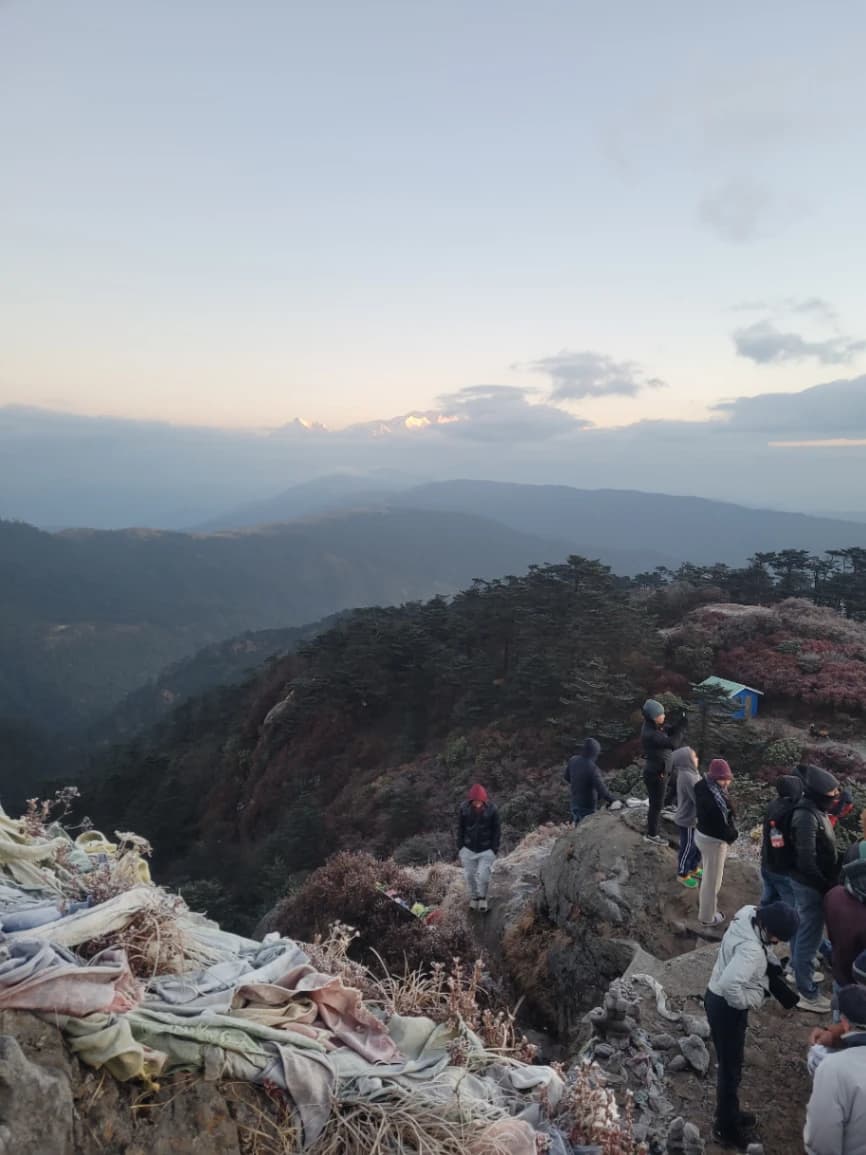
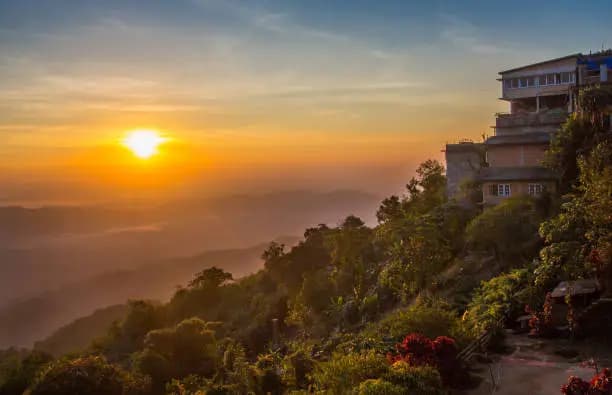
January provides the most clear skies of the whole year. The scarcity of humidity and cloud cover offer clear views of the mountain which is the dream of every photographer or mountaineer. The visibility in early morning is usually more than 100 miles, and the Himalayan range in all its beauty can be seen.
The weather, however, changes quickly in high altitude. Mornings that are sunny may turn into snowstorms in the afternoon. The weather conditions of Sandakphu trek demand that you have a plan that is dynamic and constantly checking on the weather.
Snowboarding and Cross-country Skiing
Expected Snowfall
| Snowfall Aspect | January Conditions |
| Average snowfall | 3-5 feet accumulation |
| Fresh snow days | 8-12 days per month |
| Trail conditions | 70-80% snow-covered |
| Accessibility | Moderate to difficult |
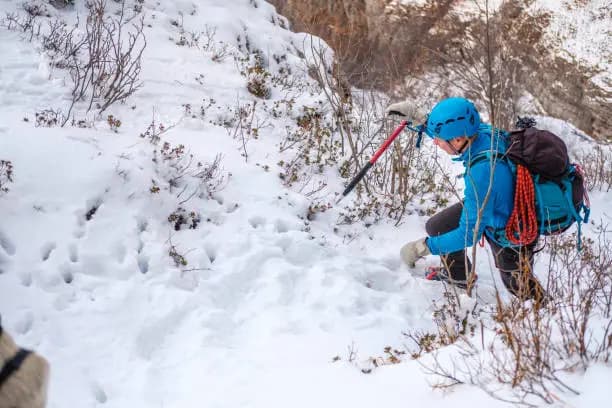
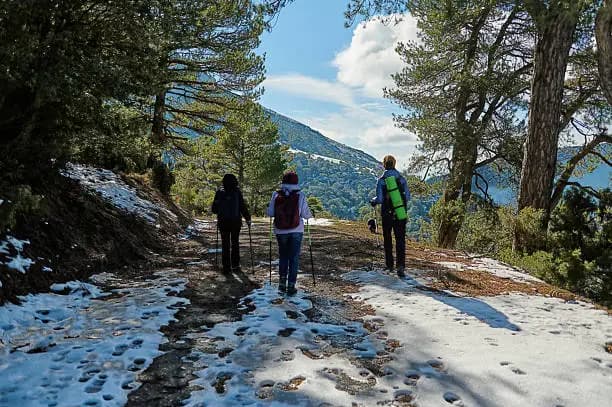
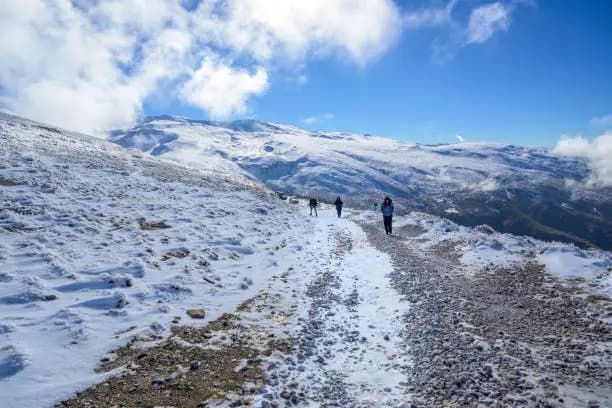
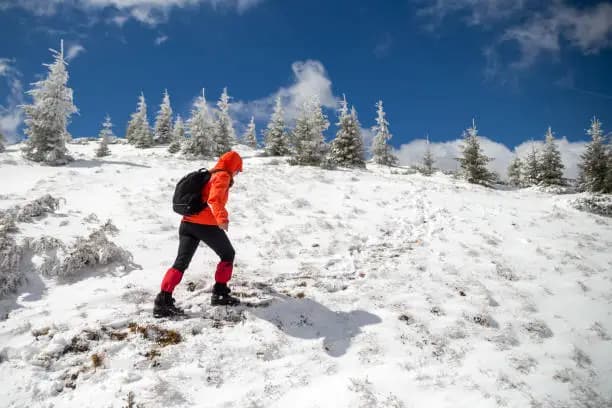
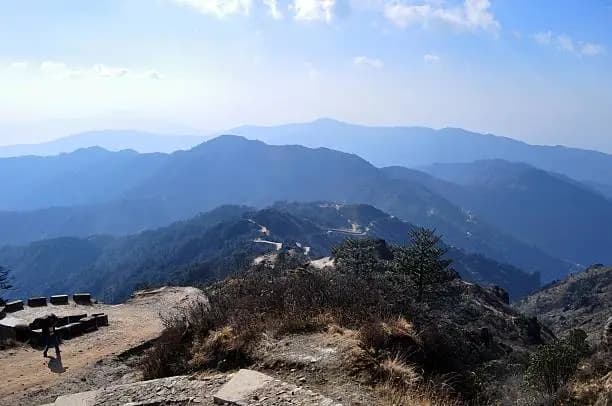
It is beauty and challenge induced by snow at sandakphu in January. The whole path always has an average of 3-5 feet of accumulated snow and the snow falls half a day a day. The well-known Singalila Ridge turns out to be a route of white Crampons and attentiveness.
Depending on the location, the level of the snow varies significantly. According to altitude, low areas of the Manebhanjan- Tumling region might experience fewer snows whereas the Kalipokhri- Sandakphu summit trail is usually covered with intense snow that needs to be broken. Past trekker tracks are frozen overnight producing an icy environment in the morning.
Trail Difficulty
The Sandakphu trek in January is hard as opposed to the moderate autumn category. The snow also hides the real path creating difficulties during navigation. Slender slopes are hazardous and oily. The need of physical stamina also grows tremendously as you go plodding through snow.
Most trekkers do not appreciate the exhaustion caused by snow trekking. Strolling in deep snow requires 40-50 percent more energy levels as compared to ordinary trails. The altitude with limited oxygen and excessive cold together with sandakphu in January pushes the boundaries.
Essential Safety Tips
Physical Preparation
This will take 6-8 weeks of training and then he should try sandakphu in January.
Develop cardiovascular stamina by running, cycling or swimming.
Training of walking with a heavy backpack.
Train leg muscles on snow trekking.
Check your equipment in low temperatures prior to the expedition.
Altitude Acclimatization
The amount of altitude sickness is very dangerous at Sandakphu. Take these precautions:
Gradual ascending with due acclimatization halts.
Keep oneself hydrated in spite of cold (3-4 liters per day)
No alcohol and sleeping pills.
Identify the signs of the altitude sickness: headache, nausea, dizziness.
IPIP Immediately descend in case of worsening.
Cold Weather Safety
Frostbite and hypothermia are some of the hypothetical threats when undertaking the Sandakphu trek in January. Protect yourself by:
Wearing many clothes and well insulated.
Extremities should be kept covered, hands, feet, face, ears.
Should put off wet clothes at once.
Consumption of high-calorie food to retain heat in the body.
Ever since I have never gone trekking alone in harsh conditions.
Most emergencies experienced in sandakphu in January are cold related as opposed to altitude as mountain rescue expert Priya Desai cautions. Man dwells on the altitude and forgets that -15 o C is colder than thin air.
How to pack sandakphu in January
Clothing Essentials
| Item Category | Specific Requirements |
| Base layers | Thermal underwear (2 sets) |
| Insulation | Down jacket rated to -20°C |
| Outer shell | Raincoat jacket and pants that are waterproof and windproof. |
| Footwear | Waterproof gaiters + insulated waterproof boots. |
| Accessories | Balaclava, hat, warm gloves, balaclava, sunglasses. |
Comfort and safety is dependent on the layering system. The foundation should be moisture wicking base layers, which are followed by insulating layers, and finally, weatherproof layers. Also, do not economize on quality, cheap equipment cannot work in the conditions of sandakphu in January.
Technical Equipment
Necessary equipment to sandakphu in January:
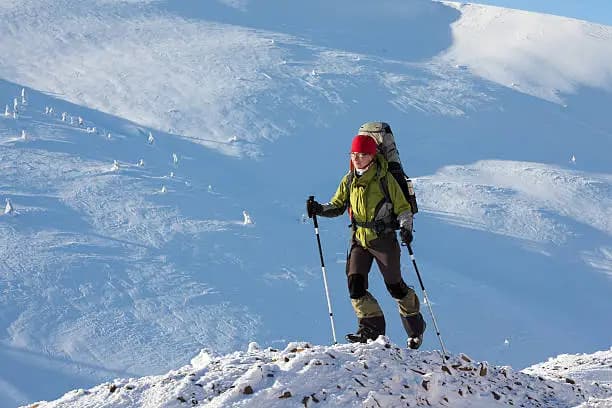
Ice crampons or micro spikes.
Together Snow stability trekking poles.
Sleeping bag with a rating of -15 o C or below.
Headlamp plus additional batteries (they are depleted very easily in cold conditions)
Sunscreen (SPF 50+) and lip balm- snow increases the UV.
Emergency Supplies
First aid kit and altitude sickness medication.
Snacks with high calories and energy bars.
Water purification tablets
Whistle and Signaling Mirror-Emergency.
Portable phone charger
Conclusion
January Sandakphu is a memorable Himalayan experience with well planned trekkers. The product of a pure snow, a sky as blue as possible, and a panoramic mountain scenery make the memories unforgettable. Nevertheless, the extreme cold, a lot of snow and the strenuous conditions require serious preparation and admiration.
To successfully climb the Sandakphu trek during the month of January, one must be physically fit with the right equipment, know what to expect and when, as well as having the right expectations. Knowledge of the temperatures, the snow conditions, and safety measures required makes this daunting walk a dangerous experience rather than a fulfilling one. You can be a seasoned winter trekker or on your first snow trek and sandakphu in January is as much of a challenge and an inspiration.
Frequently Asked Questions
Can Sandakphu be trekked in January?
Sandakphu in January can be safe in the case of well equipped trekkers who have experience in winter trekking. It is really dangerous due to extreme cold and snow, yet thousands of people succeed in the trek annually. The necessities are good cold-weather clothing, physical fitness and a guide who is familiar with the conditions in winter. Never go there unless you are cold weather type and have a dress to it.
How much is the snow level at Sandakphu in January?
The Sandakphu walk on January is dominated by 3-5 feet of the snow that has been deposited, and it snowed 8-12 days throughout the month. The trail conditions can be different as the lower parts could be less covered with snow whereas the area between the Kalipokhri to the summit is usually covered with deep snow such that crampons would be needed. The amount of snow is determined by the weather patterns of the winter in that year.
What does the temperature of Sandakphu in January?
Daytime temperatures at Sandakphu are between -2degC and 5degC (28 deg F and 41 deg F) and at night, the range is between -10degC and -15degC (14degF and 5degF). The peak may have a temperature of -20 o C (-4 o F) with wind chill that makes it even colder. The temperatures in the early mornings and late evenings are lowest and therefore a lot of insulation and layering is necessary.
Is it possible that beginners can hike Sandakphu in January?
Sandakphu in January cannot be recommended to those who have not gone to the mountains before. The high elevation, extreme cold and snow make the trek to be of the level of difficulty that needs prior experience. Should you be convinced to do it as a more modern day trekker, you should employ an experienced guide, spend a lot of money on high-quality equipment, train beforehand, and know how to go back in case the situation is more than you can handle.
Which are the most favorable Sandakphu views in January?
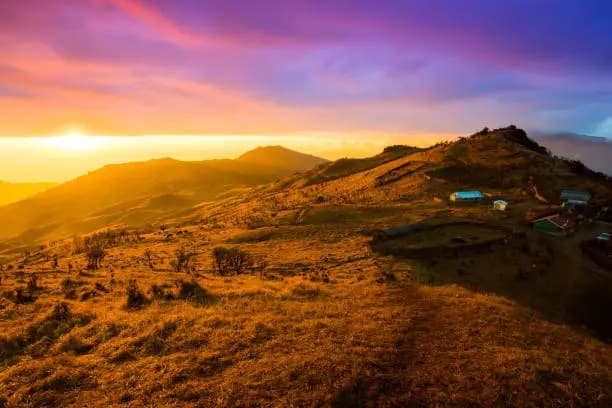
January in Sandakphu will give the best mountain views of the year because the number of clouds in the sky is minimal, the humidity is low. You will find the Everest-Kanchenjunga massif that has four of the five highest peaks on the planet: Mount Everest (29,032 ft), Kanchenjunga (28,169 ft), Lhotse (27,940 ft) and Makalu (27,838 ft). Views of the sunrise are especially splendid in the early morning, when mountains are shimmering pink and gold on dark blue skies.